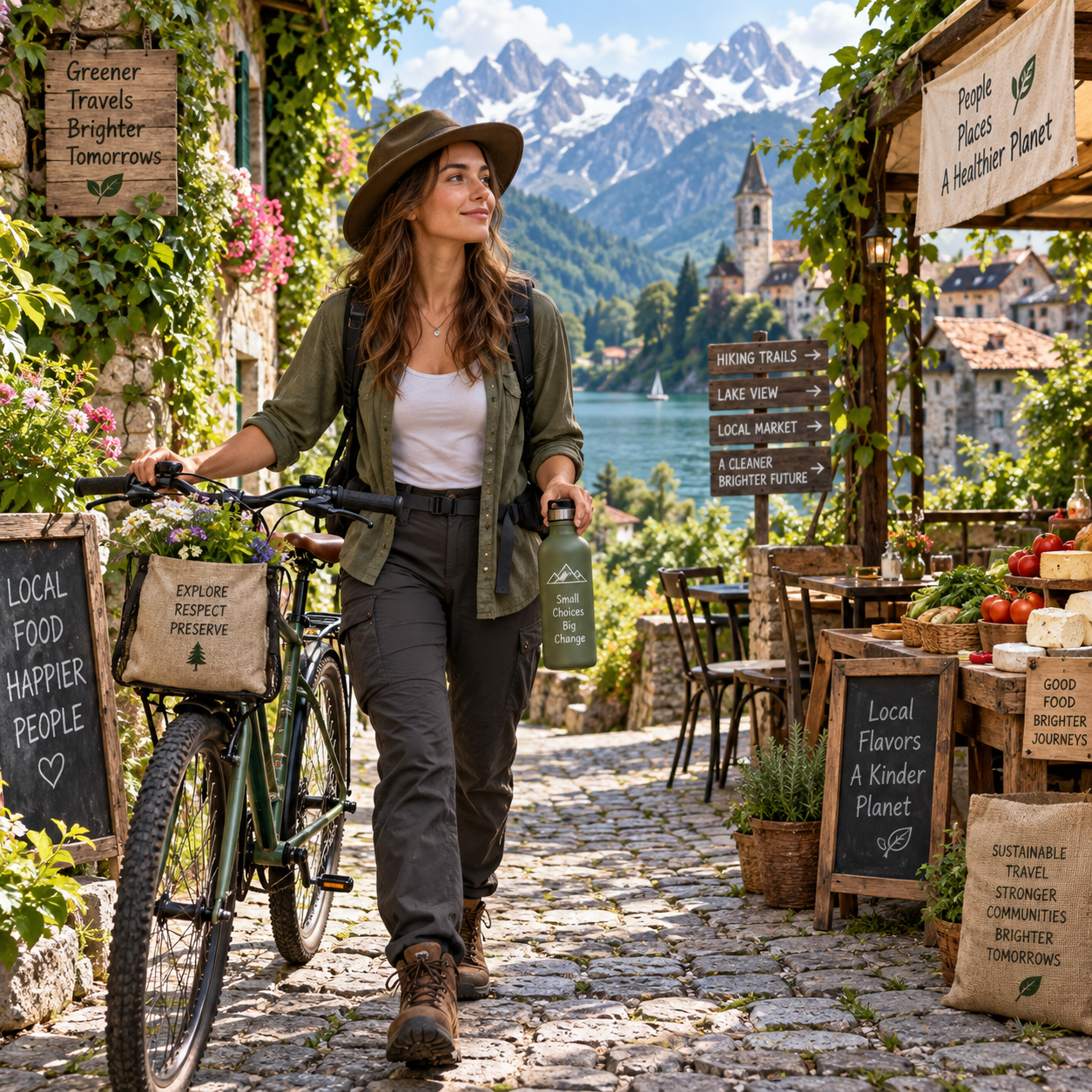



Top 10 Walking Tours in European Cities for Active Travelers
European city walking tours make sightseeing part of the journey: you move at street level, notice architectural details, and can pause when a square or park catches your eye. For active travelers, a good route combines meaningful sights with a comfortable pace and room to rest.
The ten ideas below are varied rather than ranked. Each has a distinct character, from compact historic neighborhoods to longer river and park walks. Check current access, construction, and tour details before setting out, since conditions and guided routes can change.
How to Choose a Walking Tour That Fits Your Travel Style
Choose a European walking tour by matching its pace, terrain, duration, and subject to your interests and energy. A route that looks short on a map can feel demanding if it includes steep streets, uneven paving, or long stretches without places to sit.
Start with the time you want to spend on foot. A guided introduction may take two or three hours; a self-guided day that links several neighborhoods can take much longer once you add museum visits and meal breaks. Ask whether the advertised duration includes stops, and check the approximate distance and elevation where available.
- For architecture: Pick a route with concentrated landmarks, such as central Barcelona or Prague.
- For green space: Look for walks that connect gardens, riversides, or large city parks.
- For a gentler day: Favor flatter pedestrian routes, frequent cafés, and a clear option to shorten the loop.
- For more activity: Choose a longer route with varied terrain, but leave time for unplanned pauses.
Fitness is personal, and travel conditions matter. A familiar distance can feel different in heat, rain, or a crowded city. Treat the itinerary as a guide, not a test.
10 European City Walks Worth Exploring
These ten city walks pair recognizable landmarks with distinct neighborhood character and practical options for adjusting effort. Confirm the route and opening hours locally, especially when a walk includes a garden, museum grounds, or a pedestrian area with restricted access.
1. Paris: The Seine and Île de la Cité
Follow the Seine between central bridges, the riverside paths, and Île de la Cité for a walk rich in architectural landmarks. The route can be kept compact or extended toward the Louvre and the Tuileries Garden. Expect busy stretches near major sights and allow time for crossings and queues; riverside sections offer natural places to slow down.
2. Rome: The Historic Center to the Aventine
Connect piazzas, fountains, and ancient sites in Rome’s historic center, then continue toward the Aventine for a quieter change of pace. Cobblestones, traffic crossings, and some uphill walking make this more demanding than its map distance may suggest. Wear stable shoes and plan a shaded rest stop, particularly in warm weather.
3. Barcelona: Gothic Quarter to the Waterfront
Explore the narrow lanes of the Barri Gòtic before walking toward the waterfront and Port Vell. This route shifts from close-set historic streets to open sea views, with plenty of opportunities to stop. The lanes can be crowded, so an early start may make navigation easier. Add a longer waterfront stretch if you want a more active outing.
4. Lisbon: Baixa, Alfama, and a Viewpoint
Lisbon rewards walkers with tiled façades, historic neighborhoods, and broad views, but its steep hills and uneven paving call for careful pacing. Start in Baixa and climb toward Alfama or a viewpoint, using a café or shaded square as a planned break. If hills are uncomfortable, choose a shorter out-and-back section rather than forcing a full circuit.
5. Amsterdam: Canals and the Jordaan
Walk beside the canals and through the Jordaan to see Amsterdam’s brick houses, bridges, and quieter residential streets. The route is largely flat, which can suit travelers who prefer steady distance over climbs. Watch for bicycles at crossings, keep clear of cycle lanes, and pause in a canal-side square instead of stopping on a narrow bridge.
6. Prague: Old Town to Malá Strana
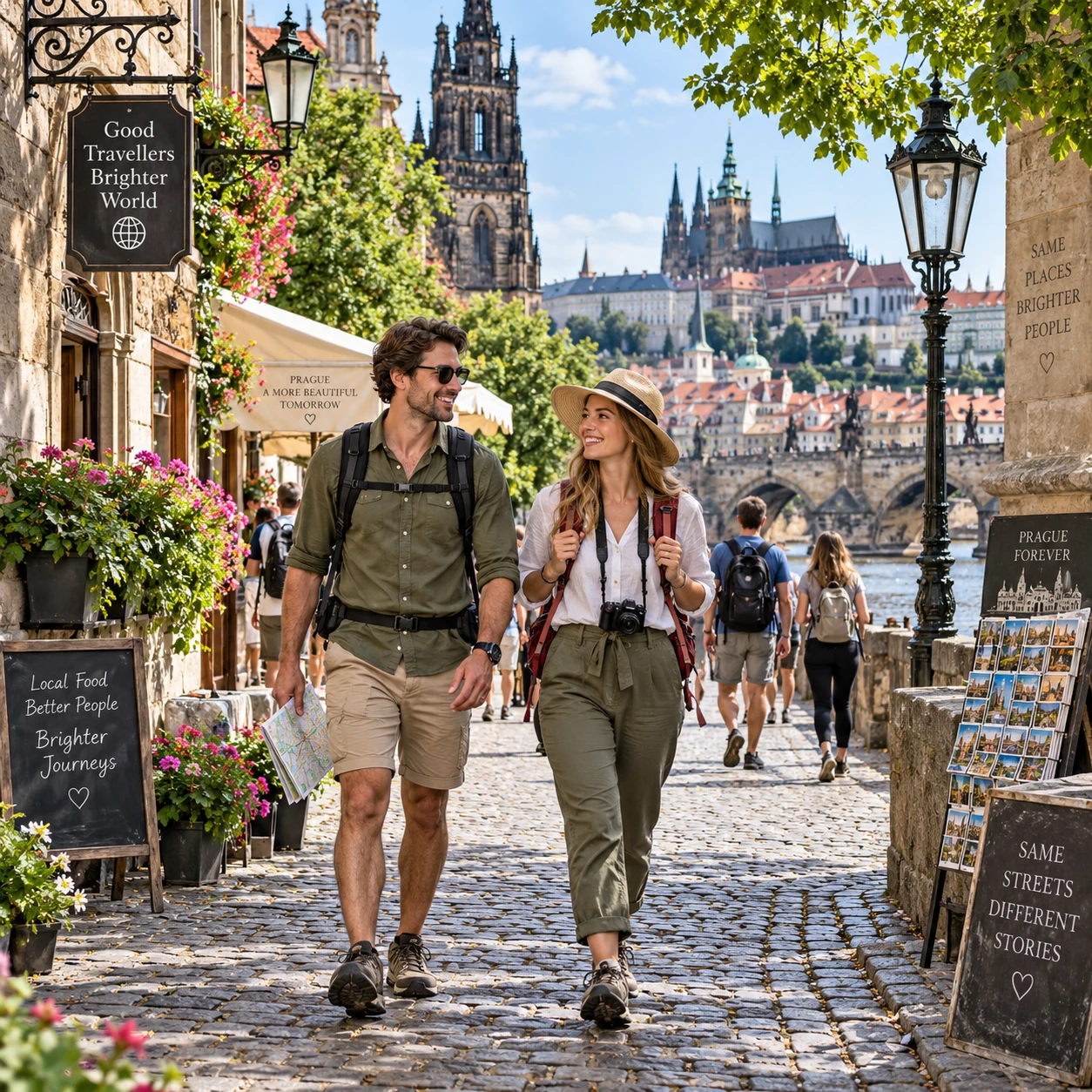
Cross Prague’s historic center toward Charles Bridge and Malá Strana for a walk full of architectural detail and river views. Bridge approaches can be crowded, while cobbled streets and slopes add moderate effort. Starting early or taking quieter parallel streets can make the experience calmer; comfortable footwear matters more here than a fast pace.
7. Copenhagen: Harborfront and the Inner City
Link Copenhagen’s harborfront with central streets and public squares for an accessible mix of waterfront scenery and city life. The mostly level pedestrian routes work well for a flexible half-day walk. Check for wind near the water and choose an indoor café stop if the weather turns. Keep an eye on cycle paths when crossing between districts.
8. Vienna: Ringstrasse and the Stadtpark
Walk part of Vienna’s Ringstrasse to take in grand civic buildings, then step into Stadtpark for a greener pause. The broad streets make the route easy to follow, though its length can grow quickly if you try to circle the entire center. Pick a section that matches your available time and use the park as a deliberate rest stop.
9. Edinburgh: Old Town to the Water of Leith
Combine the Old Town’s historic lanes and steep streets with a quieter section of the Water of Leith path. This pairing offers a contrast between dense city sights and a greener pedestrian route. Expect slopes and potentially damp, uneven surfaces; check conditions and shorten the walk if the weather makes footing less secure.
10. Berlin: Museum Island and Tiergarten
Begin around Museum Island and central landmarks, then continue toward Tiergarten for open paths and tree cover. Berlin’s scale means this can become a long day on foot, so select a manageable segment rather than trying to see every district. The park gives you space for a slower stretch after busy streets, though some paths may add distance between sights.
What to Look for in a Great Walking Route
A great walking route connects interesting sights through safe, legible pedestrian streets and includes realistic chances to rest. The best route for you also fits the day’s weather, your mobility needs, and the amount of time you have.
Look beyond headline landmarks. Historic neighborhoods, architectural details, markets, and public squares can make the spaces between major attractions rewarding. Green spaces and riverside paths add variety, but check whether they are open and accessible during your visit.
Before committing, review a map for distance, hills, surface changes, and nearby places to sit or refill water. A route with several ways to cut it short is especially useful when traveling with a group whose walking pace varies. If booking a local guide, ask about group size, pace, surface conditions, and whether the guide can adapt the route.
One common planning mistake is counting only the distance between sights. Photo stops, crossings, crowds, and museum visits all add time. Build in a buffer rather than scheduling the day from one attraction to the next.
How to Prepare for a Full Day on Foot
Prepare for a full walking day with broken-in shoes, weather-appropriate layers, water, and a route that includes breaks. Small adjustments before leaving can make a city tour more comfortable and easier to adapt.
- Wear comfortable footwear: Choose shoes you have already tested on similar surfaces. A new pair may rub, and thin soles can feel unforgiving on cobblestones.
- Dress for changing conditions: A light layer and rain protection help when temperatures or showers shift. In sunny weather, bring sun protection and seek shade when possible.
- Carry water and a snack: Refill when convenient and keep a simple snack available if meal timing is uncertain. Follow local guidance on drinking water and refill locations.
- Set a flexible pace: Take a short pause before you feel exhausted. If your feet or legs begin to feel uncomfortable, shorten the route or head back to your accommodation.
Another frequent error is treating every stop as lost time. Rest breaks are part of a sustainable walking day, and they often make it easier to appreciate the city rather than rush through it.
Make Walking Part of a More Restorative Trip
A restorative walking trip balances active sightseeing with meals, quieter time, and enough recovery between demanding days. Walking adds movement to travel, but it should fit your needs rather than become another performance target.
Try pairing one substantial walk with a slower afternoon, or choose a shorter neighborhood route after a day of museums. Eat at regular intervals, sit down for a proper meal, and leave room for an unplanned break in a park or café. If you have several city days, alternate hilly or long routes with flatter, shorter ones.
There is a trade-off to consider: packing more landmarks into one day may reduce the time available to enjoy each place. A modest route with a good lunch stop can feel more rewarding than a hurried circuit. Adjust plans for weather, fatigue, mobility, and personal comfort; no single walking schedule suits every traveler.
Plan Your European Walking Tour
To plan a European walking tour, match the route to your available time, interests, and energy, then check terrain and rest options before you go. A flexible plan helps you enjoy both the landmarks and the walk between them.
Choose one central theme, such as historic architecture, a riverfront, or neighborhood life. Estimate the walking time separately from visits and meals, then identify a shorter alternative in case conditions change. For a first visit, a guided tour can provide context and a clear route; a self-guided walk gives you more control over pace and stops.
On the day, start with comfortable footwear and enough time to pause. The most useful measure of success is not how many sights you cover, but whether the route feels manageable and leaves you with energy to enjoy the rest of your trip.
Walking Tour FAQs
Walking-tour length depends on the route, terrain, and number of stops, so check both distance and estimated duration before booking. These answers can help you make a practical choice.
How long should a city walking tour take?
Many guided city walks take a few hours, while a self-guided route with meals and landmark visits can fill most of a day. Choose a duration that leaves time for breaks and unplanned discoveries.
What should I wear for a walking tour in Europe?
Wear broken-in, comfortable shoes suited to the route’s surface, plus layers that match the forecast. Cobblestones, hills, rain, and heat can all affect comfort, so check local conditions before leaving.
Are guided or self-guided walking tours better?
A guided walk offers local context and a set itinerary; a self-guided walk gives you more freedom to pause, change direction, or stop early. Choose based on whether expert commentary or flexible pacing matters more to you.
How can I find a walking route suited to my fitness level?
Check the distance, elevation, surface, pace, and availability of shorter options. Ask tour providers about hills and rest stops, then select a route you can adjust if the weather or your energy changes.