
The Benefits of Traveling Solo for Mental Health
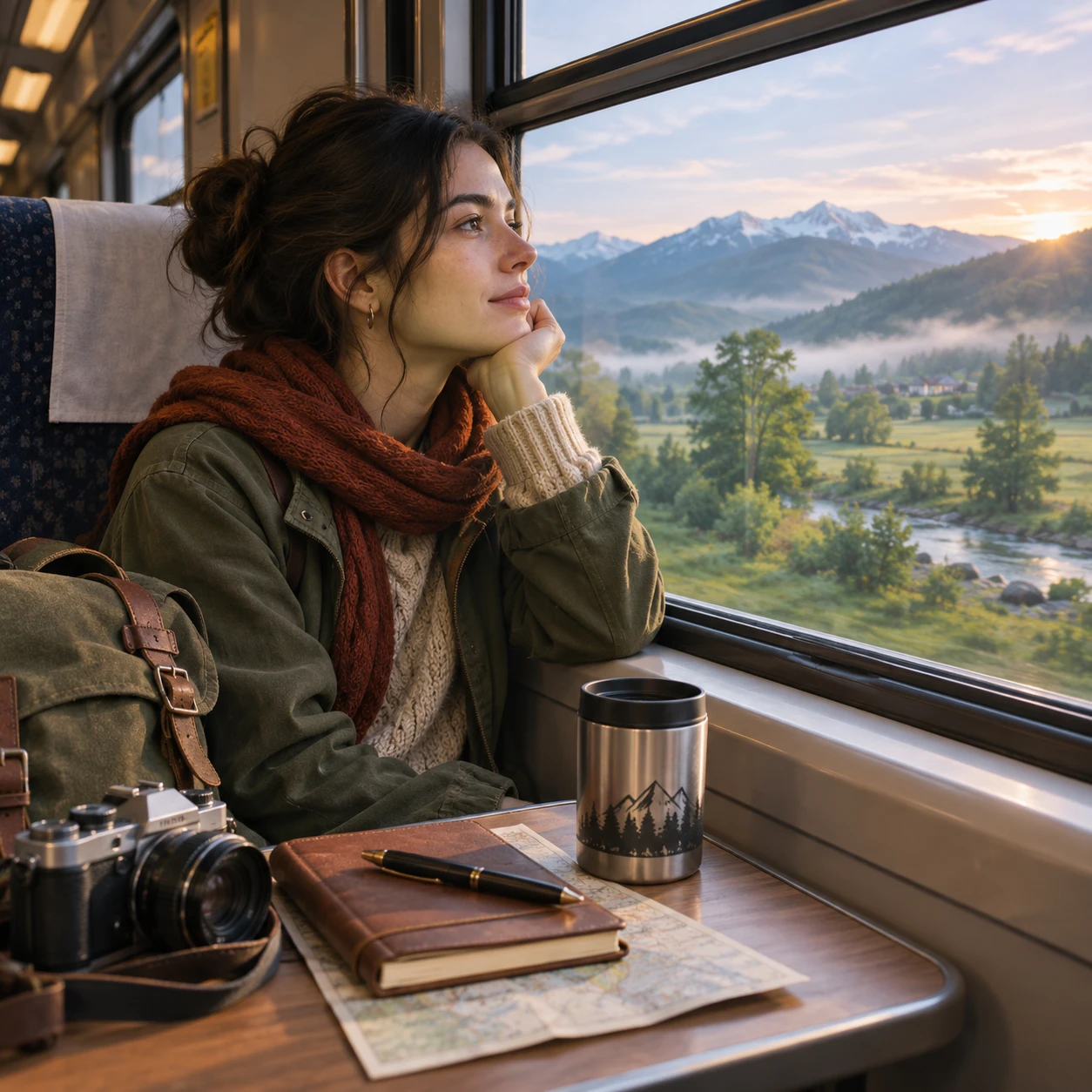
Traveling solo can offer something everyday routines rarely allow: time to notice what you need, make choices at your own pace, and experience a place without coordinating every detail with someone else. For some people, that space supports mental well-being, self-confidence, and reflection. For others, unfamiliar settings can bring stress or loneliness.
Solo travel is not a treatment for a mental health condition, and it will not feel restorative for everyone. Its value often depends on how you plan, what kind of support you have, and whether the trip fits your needs at this point in your life.
Why solo travel can feel mentally refreshing
Solo travel may feel mentally refreshing because a change of setting interrupts familiar routines and creates room to rest and reflect. With fewer shared plans to manage, you can choose a gentler pace that suits your energy.
Daily life can keep attention fixed on tasks, expectations, and other people’s schedules. A trip can shift that pattern. A slow breakfast, an unplanned walk, or an afternoon without appointments may help you notice what has been crowded out by routine. The benefit is not automatic: a tightly packed itinerary can reproduce the same pressure in a different place.
Think of a trip as a chance to adjust your surroundings, not a demand to reinvent yourself. You might choose a quiet coastal town, spend one morning in a museum, then leave the rest of the day open. That flexibility can make rest and reflection easier, especially when you build in breaks and familiar comforts.
Travel also involves practical demands, from transport to unfamiliar food and directions. Those demands can be tiring, so a refreshing trip needs recovery time. A destination does not have to be far away or exotic to offer a useful change of pace.
Building confidence and independence
Traveling alone can build confidence and independence by giving you regular chances to make decisions and solve small problems for yourself. Each manageable choice can strengthen trust in your ability to respond to new situations.
You may choose a train route, ask for directions, change a reservation, or decide that a planned activity no longer feels right. These moments are ordinary, but handling them can help you recognize your own judgment. Over time, that experience may support self-confidence beyond the trip.
Keep the challenge at a useful level. A first solo journey does not need to involve multiple countries, remote travel, or a packed schedule. A familiar language, a direct route, and accommodation with clear check-in instructions can leave more energy for exploring.
Independence does not mean refusing help. Asking a hotel employee for advice, contacting a friend, or changing plans are all signs of good decision-making. Confidence grows from responding to circumstances, not from pretending uncertainty never happens.
Making room for mindfulness and personal growth
Solo travel can make mindfulness and personal growth easier by giving you more control over where your attention goes. You can follow your interests, pause when something catches your eye, and spend time alone without needing to explain your choices.
Try a simple practice: during one walk, put your phone away and notice three things—the soundscape, the quality of the light, and how your body feels. This is not a test or a productivity exercise. It is a way to be present in the experience rather than rushing through it to reach the next item on a list.
Time alone can also help you hear your own preferences. Perhaps you discover that you enjoy a busy food market for an hour but need a quiet evening afterward. Or you realize that a guided tour feels more enjoyable than navigating every site independently. These observations can support personal growth because they clarify what helps you feel engaged and well.
Still, solitude is different from isolation. A solo traveler can join a group walk, call home, or share a meal with someone they meet. Connection and time alone can coexist; neither needs to be the whole trip.
The challenges of traveling alone
Traveling alone can bring loneliness, uncertainty, and travel stress, particularly when plans change or you have no companion to share decisions with. Recognizing these possibilities lets you prepare without assuming the trip will go badly.
Loneliness may surface at mealtimes, during long transit days, or when you want to share a moment with someone. It can help to plan a few low-pressure ways to connect, such as a small-group activity, a call with a friend, or staying somewhere with a welcoming common area. If you prefer quiet, you do not need to socialize every day.
Uncertainty is another common challenge. Directions may be confusing, a booking may not match expectations, or your energy may drop. Leave buffer time between activities and keep essential details accessible offline. A flexible plan gives you options when the original plan stops working.
Safety concerns can add stress, too. Research transport and accommodation before you arrive, trust your discomfort, and share basic itinerary details with someone you trust. These steps cannot remove every risk, and local conditions vary, but preparation can reduce avoidable uncertainty.
Pay attention to the difference between ordinary discomfort and distress that feels difficult to manage. If a trip is worsening your well-being, it is reasonable to change plans, seek support, or go home. Changing course is not a failure.
How to plan a solo trip that supports well-being
To plan a solo trip that supports well-being, choose a manageable destination, build a light itinerary, and arrange practical comforts before you leave. The goal is to create room for rest, interest, and connection without expecting travel to solve everything.
- Set a realistic purpose. Decide what you want more of, such as quiet, nature, cultural activities, or a sense of independence. Keep the goal modest; you do not need to return transformed.
- Match the trip to your energy. Consider travel time, accessibility, budget, climate, and how comfortable you feel navigating the area. A nearby overnight stay may be a better first step than a demanding itinerary.
- Plan anchors, not every hour. Book your first night and identify key transport options, then leave open space in the day. One main activity is often enough, especially after a long journey.
- Make comfort easy to reach. Pack medication and familiar essentials as appropriate, save booking details offline, and identify a quiet place to retreat to. Practical preparation can reduce small stressors.
- Build in connection. Schedule a check-in with someone you trust or book one activity with other travelers. Choose social contact because it feels helpful, not because you think solo travel requires constant company.
A useful planning check is energy, comfort, and choice: Will the trip leave enough energy for enjoyment? Do you have a comfortable fallback if plans change? Can you choose rest without feeling you have wasted the day? If one answer is no, adjust the itinerary before departure.
Is solo travel right for you?
Solo travel may be right for you if the idea feels interesting and you can shape the trip around your needs, resources, and comfort level. It may be less suitable right now if the logistics feel overwhelming or you need more support than a solo trip can provide.
You do not need to be naturally outgoing or completely fearless. You might start with a day trip, a familiar city, or a short stay where help is easy to access. You can also choose a partially solo trip, such as joining a guided tour while traveling to and from the destination independently.
Consider your current circumstances. If you are dealing with significant distress, a major life disruption, or a health concern, talk with a qualified professional or someone you trust about what support would make travel manageable. Solo travel can complement ordinary sources of care, but it should not replace them.
The most useful question is not whether traveling alone is good for everyone. It is whether this particular trip, at this particular time, offers a balance of independence, rest, and connection that feels workable for you.
Frequently asked questions
Can solo travel help with stress?
It may help some people step away from routine and make more room for rest, but travel itself can also create stress. Choose a manageable pace, allow downtime, and avoid treating a trip as a cure for ongoing mental health concerns.
How can I manage loneliness on a solo trip?
Plan a few ways to connect, such as calling someone at home, joining a small-group activity, or staying somewhere with shared spaces. Balance social time with solitude, and adjust your plans if you need more company.
Is solo travel suitable for first-time travelers?
It can be, especially when you start with a short, straightforward trip. A familiar destination, direct transport, confirmed accommodation, and an unhurried schedule can make the first experience more manageable.
How can I make a solo trip feel safe and comfortable?
Research your route and lodging, keep essential details accessible, share your general itinerary with a trusted person, and choose plans that match your comfort level. No checklist guarantees safety, so stay attentive to local guidance and your own judgment.