
Top 10 Cities for Yoga and Meditation Enthusiasts: Your Global Wellness Travel Guide
Whether you're chasing your first yoga retreat or planning a full sabbatical built around daily meditation practice, where you go matters as much as what you do. The right city can deepen your practice in ways that months of home sessions simply can't replicate — through community, environment, cultural context, and access to teachers who have spent decades in their craft. This guide covers ten cities that genuinely deliver on that promise, across four continents.
What Makes a City Ideal for Yoga and Meditation Travel
The best cities for wellness travel share four qualities: a density of quality studios and meditation centers, a visible community culture around mindfulness, access to immersive retreat options nearby, and some form of spiritual or philosophical heritage that gives the practice roots. A city can have fifty yoga studios and still feel hollow if there's no living tradition behind them.
For this list, each city was evaluated on those four factors — plus practical considerations like accessibility, cost, and whether the wellness scene caters to visitors or only locals. Some cities score high on ancient tradition (Rishikesh, Chiang Mai). Others lead on modern infrastructure and urban yoga culture (Amsterdam, Barcelona). A few do both.
One thing worth noting: "best" is relative. A city perfect for a beginner seeking a structured yoga teacher training program may feel overwhelming for someone who wants silent forest meditation. The final section of this guide helps you match destination to intention.
Asia's Sacred Hubs — Rishikesh, Ubud, and Chiang Mai
These three cities represent the spiritual core of global wellness tourism. Each has a distinct identity, but all three offer something rare: a culture where yoga and meditation aren't imported trends — they're woven into daily life.
Rishikesh, India
Rishikesh is widely recognized as the world capital of yoga, and the title is earned. Sitting in the foothills of the Himalayas where the Ganges emerges from the mountains, the city is home to hundreds of ashrams, Ayurveda clinics, and yoga teacher training programs certified by the Yoga Alliance. The philosophical depth here is unmatched — you can study Patanjali's Yoga Sutras in the morning, receive an Ayurvedic consultation in the afternoon, and attend Ganga Aarti (a sacred fire ceremony) at dusk.
Best for: YTT certification, Ayurveda immersion, budget-friendly long stays. The season runs October through March; summers are hot and monsoon season brings heavy rain.
Ubud, Bali
Ubud has become synonymous with community-driven retreat culture. Unlike Rishikesh's more austere tradition, Ubud blends Balinese Hindu spirituality with a globally diverse wellness community — think sound healing sessions followed by cacao ceremonies and vegan café culture. The rice terrace landscape adds a meditative quality to even a morning walk.
It's also a major hub for digital nomad wellness travelers, with strong co-working infrastructure alongside world-class retreat centers. The trade-off: Ubud has grown popular enough that some experiences feel curated for Instagram rather than genuine practice. Seek out smaller, locally-run studios over the heavily marketed options.
Chiang Mai, Thailand
Chiang Mai earns its place through Buddhist temple meditation — specifically Vipassana practice, which is deeply embedded in northern Thai culture. The city has dozens of temples offering free or donation-based meditation instruction, and several internationally respected meditation centers run multi-day silent retreats. The cost of living is low, the food is excellent, and the pace is slow enough to actually decompress.
Southeast Asia's Rising Wellness Destinations — Koh Samui and Hoi An
For travelers who want a strong yoga and meditation scene without the crowds of Ubud or Rishikesh, Koh Samui and Hoi An offer quieter, more intimate alternatives.
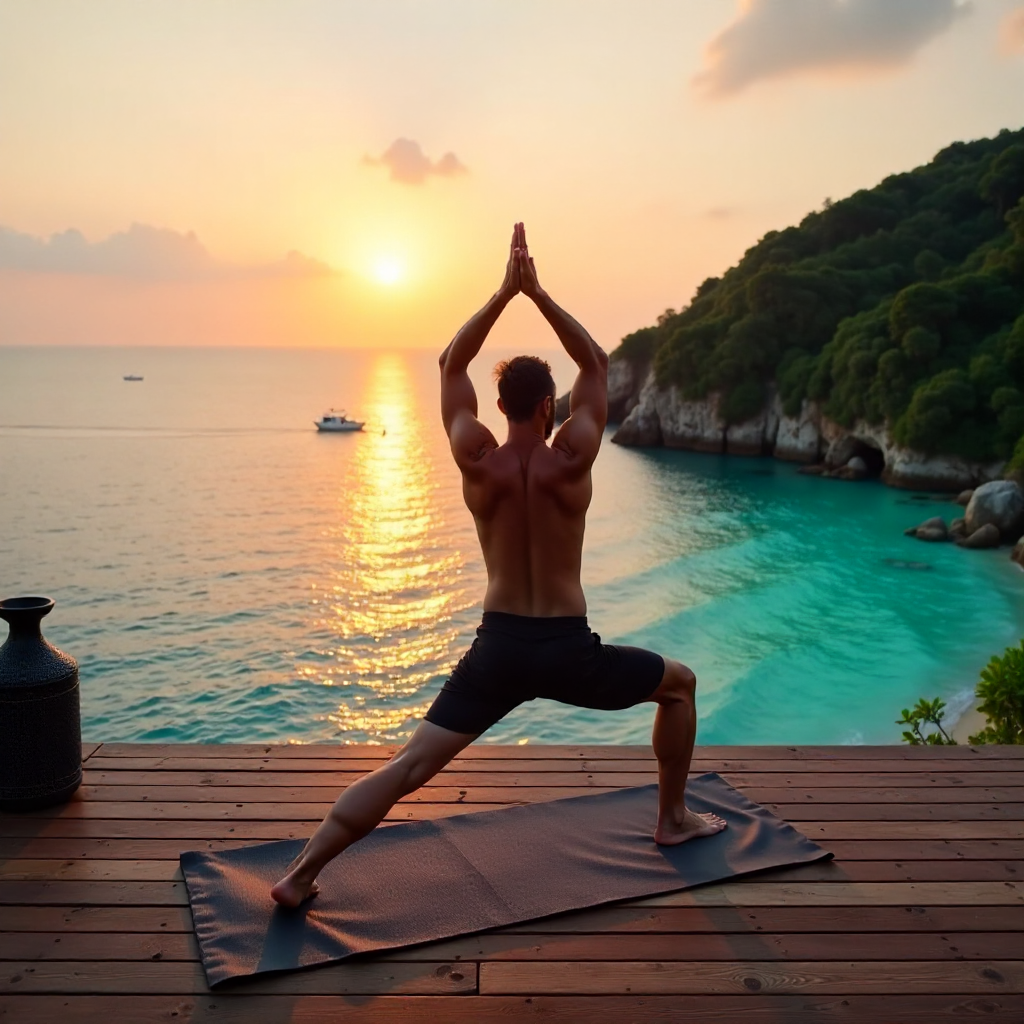
Koh Samui (Thailand) has evolved from a beach party island into a legitimate wellness destination, with a cluster of high-quality detox and yoga retreats on its northern and southern coasts. Multi-day programs combining breathwork, fasting protocols, and twice-daily yoga sessions are widely available. The island setting — ocean on all sides, jungle interior — creates a natural container for going inward.
Hoi An (Vietnam) is the quieter surprise on this list. The ancient town's lantern-lit streets and slow river pace attract a growing number of yoga studios and wellness practitioners. Retreats here often combine yoga with Vietnamese cooking classes, bicycle tours through rice paddies, and traditional herbal medicine — a genuinely holistic travel experience at a fraction of Bali's price.
Europe's Mindful Cities — Barcelona, Amsterdam, and Lisbon
European wellness travel has matured significantly. These three cities now offer urban yoga infrastructure — rooftop yoga classes, sound healing studios, plant-based restaurant ecosystems — that rivals any destination in the world.
Barcelona leads Europe on studio density and wellness festival culture. The city hosts several major annual yoga festivals and has a thriving community of teachers trained in everything from Ashtanga to trauma-informed yoga. The Mediterranean climate means outdoor practice is possible most of the year.
Amsterdam punches above its size. The Dutch capital has a sophisticated mindfulness culture — partly driven by the city's broader progressive health ethos — with dedicated meditation centers, breathwork studios, and a strong presence of teachers trained in evidence-based mindfulness traditions like MBSR (Mindfulness-Based Stress Reduction). The canal-side setting makes even a morning walk feel contemplative.
Lisbon is the emerging pick. Affordable by Western European standards, the city has attracted a wave of wellness entrepreneurs and yoga teachers over the past five years. Rooftop yoga with Atlantic views, surf-and-yoga day trips to Cascais, and a growing number of holistic health practitioners make it an increasingly compelling destination for mindful travelers.
The Americas — Tulum and Sedona
Both Tulum and Sedona have built identities so thoroughly around wellness that they function almost as open-air retreat centers. The challenge with both is separating authentic experience from high-priced performance.
Tulum (Mexico) sits at the intersection of ancient Mayan heritage and contemporary eco-retreat culture. The jungle-meets-Caribbean-sea setting is genuinely striking, and the concentration of yoga shalas, cenote meditation experiences, and plant-medicine ceremonies is unlike anywhere else in the Americas. That said, Tulum has become expensive and, in some areas, more focused on aesthetics than depth. Go with clear intentions and research your retreat providers carefully.
Sedona (Arizona, USA) is built around a different premise: the land itself as the teacher. The red rock landscape and the city's reputation for energy vortexes — spots where the earth's energy is said to be particularly concentrated — draw meditators, healers, and seekers from around the world. Whether or not you subscribe to vortex theory, the landscape is undeniably powerful for nature-based meditation and silent sitting. Sedona also has a well-developed network of retreat centers, sound healing practitioners, and guided wilderness meditation experiences.
How to Choose the Right City for Your Wellness Journey
Matching your destination to your actual goals saves both money and disappointment. A few honest questions help narrow the field quickly.
- Are you a beginner or an advanced practitioner? Beginners often thrive in structured environments like Rishikesh ashrams or Chiang Mai meditation centers, where curriculum is built-in. Advanced practitioners may prefer cities like Amsterdam or Barcelona where they can self-direct and explore diverse modalities.
- How long are you staying? Short trips (under a week) favor cities with dense studio access — Barcelona, Ubud, Tulum. Longer stays open up immersive options: YTT programs in Rishikesh, silent retreats in Chiang Mai, or multi-week detox programs in Koh Samui.
- What's your budget? Chiang Mai, Hoi An, and Rishikesh offer exceptional value. Tulum, Sedona, and parts of Ubud skew premium. Lisbon and Barcelona sit in the middle.
- Do you want urban energy or natural immersion? Barcelona and Amsterdam give you both practice and city life. Sedona, Rishikesh, and Koh Samui offer natural immersion with fewer urban distractions.
Tips for Making the Most of Yoga and Meditation Travel
A few practical habits separate travelers who come home transformed from those who come home with a nice tan and a yoga mat they didn't use.
Book at least one anchor experience in advance. A multi-day retreat, a YTT program, or even a week-long studio membership gives structure to your trip and ensures you actually practice rather than perpetually planning to. Walk-in classes are fine for supplementing, but they rarely create the depth of an intentional commitment.
Pack light and pack smart. A quality travel yoga mat (under 2kg), a meditation cushion or inflatable alternative, and a journal are the essentials. Everything else can be sourced locally — and buying locally supports the wellness communities you're visiting.
Find the local community, not just the tourist-facing one. In most cities on this list, the real wellness culture lives slightly off the main wellness strip. Ask your studio teacher where they practice. Look for community classes, donation-based sessions, or temple programs rather than always defaulting to the highest-reviewed option on travel apps.
Combine your practice with cultural exploration. The cities on this list are remarkable places beyond their yoga scenes. Integrating local food, history, and human connection into your wellness trip isn't a distraction — it's part of holistic travel. The Ganga Aarti in Rishikesh, a Balinese temple ceremony in Ubud, or a sound bath in a Sedona canyon will deepen your practice more than an extra hour of asana.
Frequently Asked Questions
Which city is best for yoga teacher training abroad?
Rishikesh remains the most established destination for yoga teacher training, with hundreds of Yoga Alliance-certified programs at various price points. Ubud and Chiang Mai are strong alternatives, particularly for teachers interested in incorporating holistic or Buddhist elements into their teaching.
Can I find yoga and meditation experiences on a budget?
Yes — Chiang Mai, Hoi An, and Rishikesh are among the most affordable destinations for sustained wellness travel. Many Buddhist temples in Thailand offer free Vipassana instruction. Donation-based yoga classes exist in nearly every city on this list.
What is the best time of year to visit Rishikesh or Ubud for yoga?
For Rishikesh, October through March offers the most comfortable weather and the highest concentration of programs. Ubud is year-round, though the dry season (April to September) is generally preferred. Both destinations host major yoga festivals in February and March.
Are these cities suitable for solo wellness travelers?
Most of them are excellent for solo travel. Ubud, Chiang Mai, and Lisbon in particular have strong solo traveler cultures with easy ways to connect with like-minded people through studio classes, community events, and co-working spaces. Sedona and Rishikesh are also very solo-friendly, though more intentional about community-building.
How do I find authentic meditation centers vs. tourist-oriented studios?
Look for centers affiliated with established lineages or traditions (Theravada Buddhism, specific yoga schools, recognized Ayurvedic institutions). Read reviews that mention returning visitors or long-term students. Ask whether teachers are local or rooted in the tradition they teach. Price alone isn't a reliable indicator — some of the most authentic experiences are free, and some expensive retreats are genuinely rigorous.