
How to Practice Wellness on a Budget While Traveling

Travel wellness doesn’t have to mean booking a spa day or staying at a retreat. A few simple choices can help you feel rested, nourished, and connected to a place without pushing your budget travel plans off course. Think of wellness as a set of flexible habits, not a list of expensive experiences.
Walking to a market, filling a reusable water bottle, or taking ten quiet minutes before bed can all count. The right mix depends on your destination, schedule, mobility, and budget. Here’s how to plan for wellness and make low-cost choices that work in real travel conditions.
Plan for wellness before you leave
To plan for wellness before you leave, choose one or two priorities, look up free local options, and pack a small travel wellness kit. A little preparation can prevent last-minute spending on things you could bring or find nearby.
Start by asking what helps you feel most like yourself. You might want daily movement, better sleep, regular meals, or time outdoors. Keep the plan light: a goal such as “walk for 20 minutes most days” is easier to adapt than a rigid schedule that competes with sightseeing.
Before booking, check whether your accommodation is near a public park, beach, grocery store, or safe walking route. Search municipal tourism pages and local park services for free events, walking paths, outdoor fitness areas, and community activities. Confirm opening hours and access rules, especially for beaches and parks that may close seasonally.
A compact kit could include:
- A reusable water bottle, if local water is safe to drink
- Comfortable walking shoes and weather-appropriate layers
- A small bandage pack, any regular prescription medicine, and basic toiletries
- Earplugs or an eye mask if you already use them to sleep
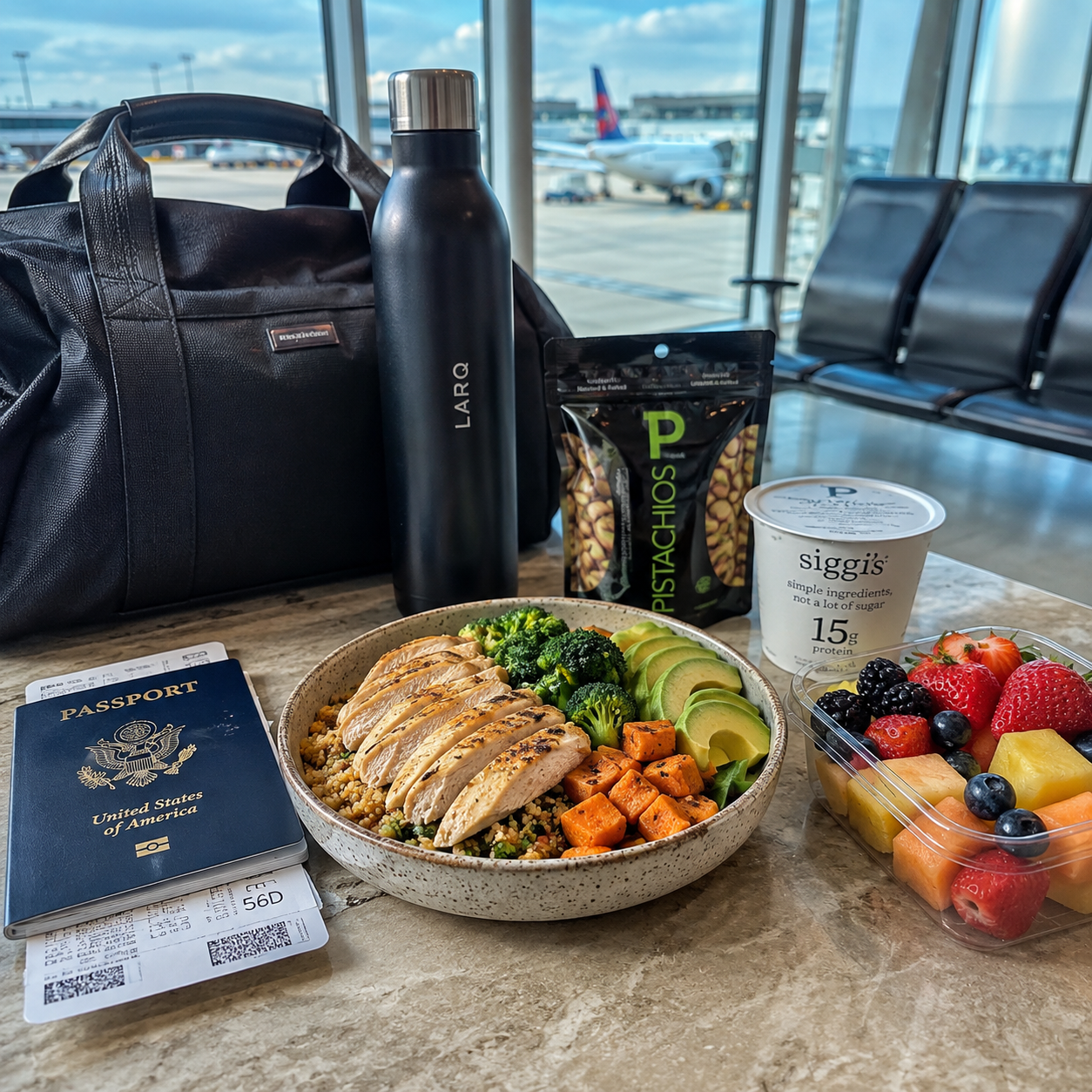
- A light snack for long transfers, such as nuts or a piece of fruit
Pack items you’ll genuinely use. Specialized gear and a suitcase full of wellness products add cost and weight; your everyday essentials are usually enough.
Build simple routines that travel with you
Travel-friendly wellness routines are short habits you can do in different settings, such as a hotel room, a train station, or a quiet outdoor spot. Aim for consistency without expecting every day to look the same.
Try a simple three-part routine: move, pause, and reset. In the morning, stretch gently for five minutes or walk to get breakfast. During a busy day, pause for a few slow breaths and drink water. Before bed, lower the lights, set out what you need for tomorrow, and give yourself a few minutes away from screens.
Adapt each habit to your circumstances. If you share a room, a short walk may be more comfortable than floor exercises. If you’re managing an injury or a chronic condition, follow the guidance that works for you and avoid treating a travel routine as a substitute for medical advice.
Use a minimum version for disrupted days: a short stretch, a nourishing snack, or a calm ten-minute break. That keeps a routine flexible. Missing a day doesn’t erase your progress, and trying to make up for it with an exhausting workout can make a travel day harder.
Find low-cost ways to move and recharge
Walking, public parks, beaches, and free local activities offer accessible ways to move and recharge without a gym membership. Choose options that suit the destination, weather, and your energy that day.
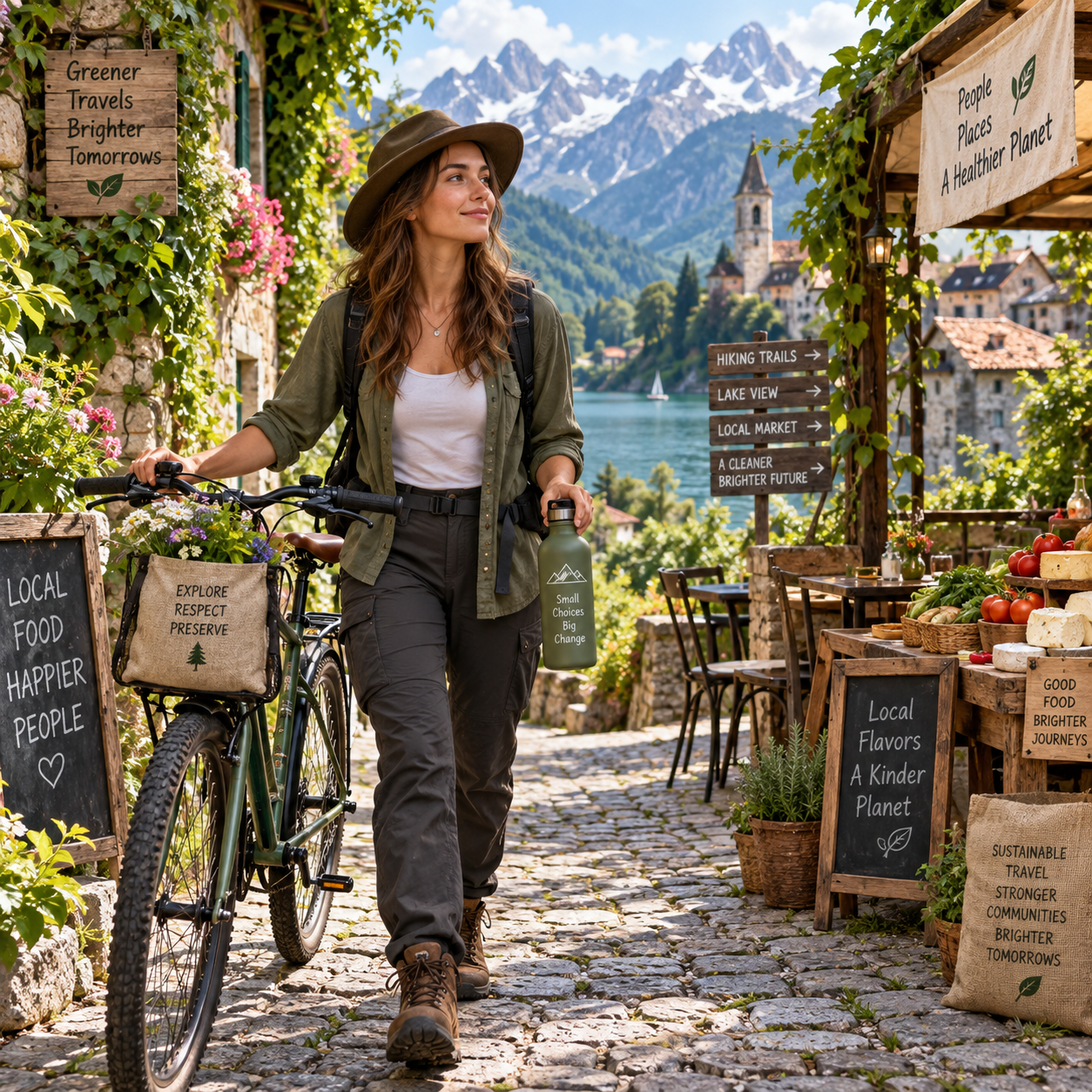
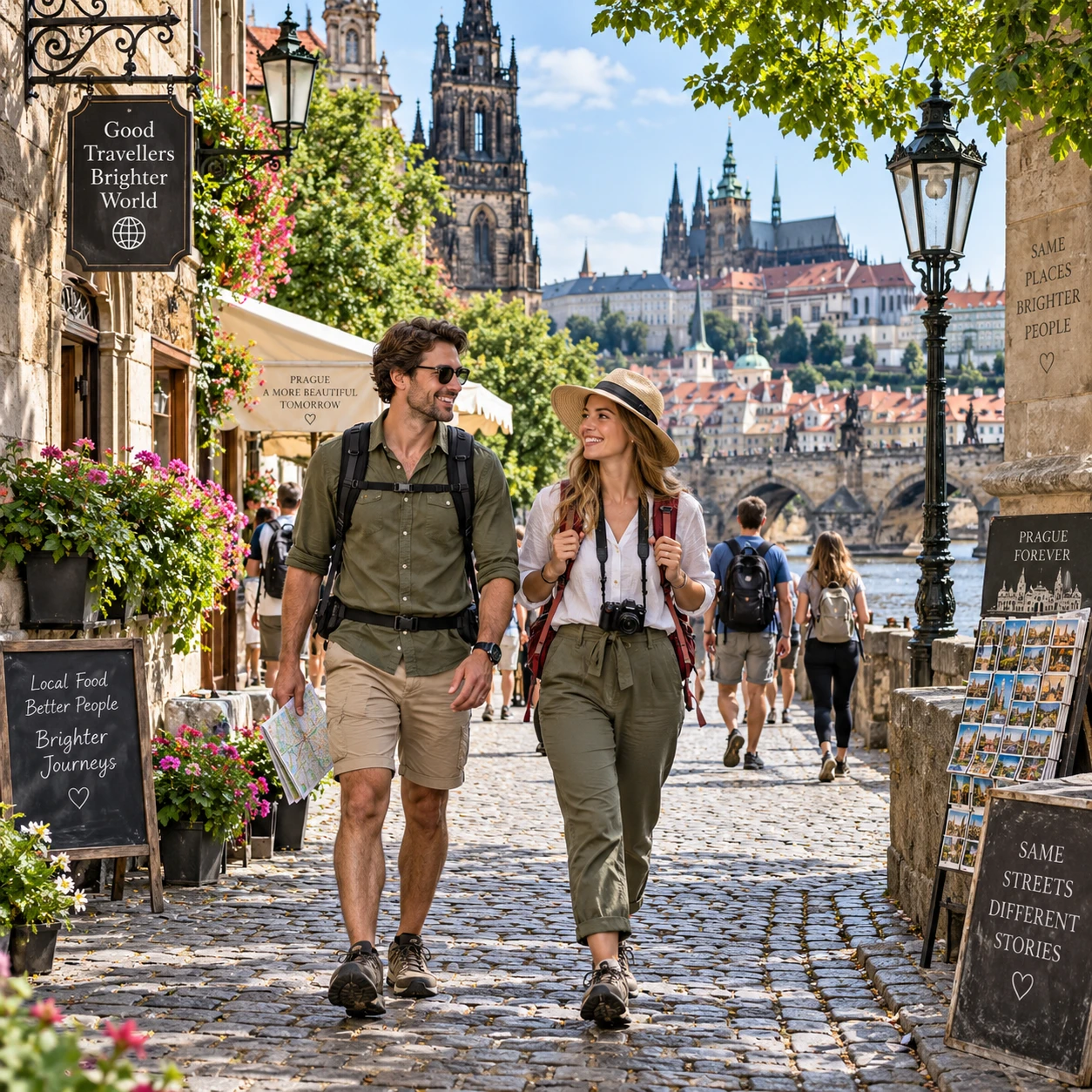
Walking can connect everyday needs with sightseeing. Walk to a bakery, take a longer route back from a museum, or explore a neighborhood on foot in daylight. Check distances and terrain first, and use transit when a route is unsafe, inaccessible, or simply too long.
Public parks and beaches can provide room to sit, stretch, read, or enjoy the outdoors at little or no cost. Some destinations also offer community yoga, outdoor concerts, guided walks, or public recreation areas. Check whether an activity is truly free, requires advance registration, or expects payment for equipment or transport.
For a low-cost movement plan, choose from this menu:
- Easy day: a relaxed neighborhood walk and a few gentle stretches
- Active day: a longer park or coastal route, with breaks and water
- Low-energy day: sit outdoors, take a short stroll, or explore a local market
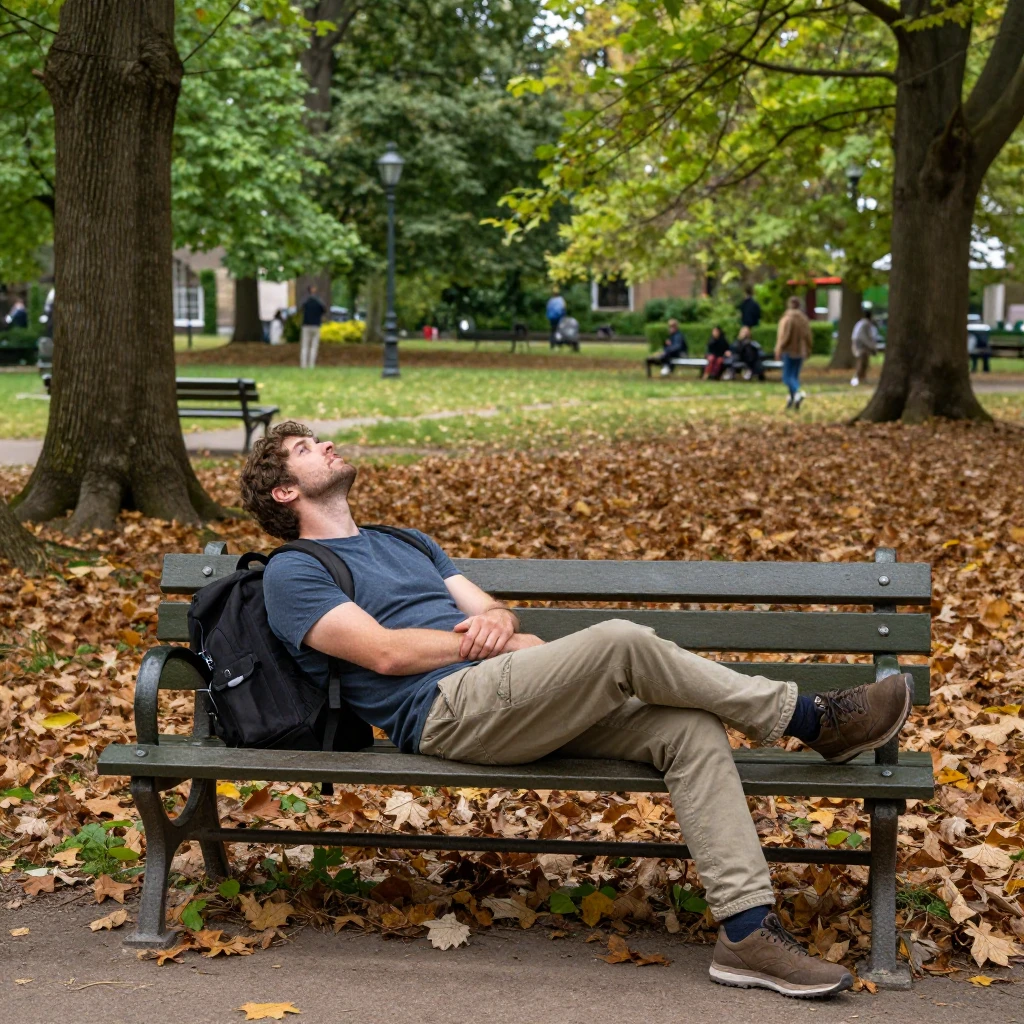
Don’t assume more activity always means more wellness. Heat, altitude, unfamiliar streets, and long travel days can change what feels manageable. A shaded break or an easy walk may serve you better than chasing a step target.
Eat and hydrate well without overspending
To eat and hydrate well on a tight travel budget, combine affordable local meals with simple grocery-store foods and carry water when safe. Planning even one meal or snack can help avoid costly convenience purchases.
Look for markets, bakeries, supermarkets, and casual places used by local residents. Depending on the destination, filling options may include fruit, yogurt, bread, eggs, beans, rice, or prepared vegetables. If your accommodation has a refrigerator or basic kitchen, buy a few breakfast items or snacks rather than paying for every meal out.
Keep food choices practical rather than perfect. A local dish can be satisfying and budget-friendly, while a supermarket meal may be useful between activities. If you have allergies, dietary restrictions, or food-safety concerns, check ingredients and storage conditions instead of relying on assumptions.
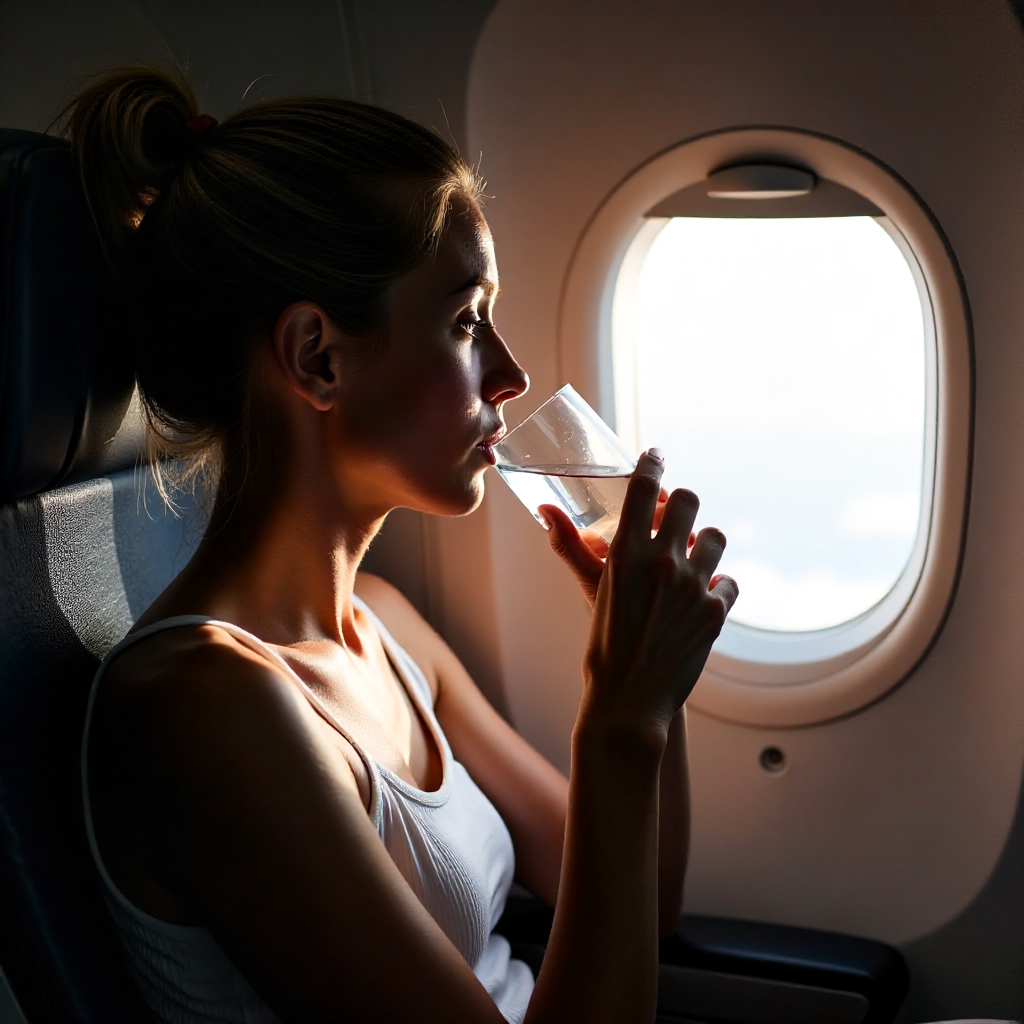
For hydration, bring a reusable bottle and refill it where drinking water is safe and permitted. When that isn’t clear, ask your accommodation or use a reliable local source; bottled water may be necessary in some places, so include it in your daily budget. Carrying a bottle is convenient, but it should never override local water-safety guidance.
One common budget mistake is skipping meals to save money, then relying on expensive snacks when hunger catches up. Keep an easy, suitable snack on hand and set aside a realistic amount for meals. It gives you more choice when plans change.
Protect your rest and manage travel stress
Protecting rest while traveling means making a few realistic choices around sleep, downtime, and travel-day expectations. You may not control every noise or schedule change, but you can create small windows to recover.
When possible, avoid filling every hour of your itinerary. Leave a buffer after a late arrival, a long flight, or a day with several transfers. A slower morning can be a better investment than paying for a packed schedule while feeling worn out.
At night, keep familiar cues simple: wash up, prepare clothes for the morning, and dim the lights when you can. Earplugs or an eye mask may help in a shared or bright room, but they won’t solve every sleep disruption. If noise is likely, check reviews for accommodation details before booking rather than assuming you can fix the problem after arrival.
Travel stress can also ease with basic logistics. Save directions offline, check the next day’s transport before bed, and identify a quiet place to pause, such as a library, park, or calm café. These steps reduce unnecessary decisions when you’re tired. If your plans slip, drop an optional activity rather than trying to force the original itinerary.
Spend selectively on wellness experiences
A paid wellness experience is worth considering when it fits your interests, budget, and travel plans better than a free alternative. Decide what you want from it before booking, and check the full cost and cancellation terms.
A local class, guided nature walk, or accessible swimming session may offer instruction, cultural context, or a social experience that’s difficult to recreate alone. Compare the price with what’s included: equipment, transport, duration, and any extra fees. Read recent reviews and confirm that the activity suits your comfort and ability level.
Use a simple test before paying:
- Purpose: What would make this experience valuable to you?
- Fit: Does the timing, location, and intensity work with your trip?
- Cost: Can you pay for it without cutting into essentials or creating stress?
If the answer is yes, choose one experience you’ll remember rather than booking several because they’re labeled “wellness.” A spa treatment or retreat can be enjoyable, but it isn’t a requirement for feeling well while traveling. Free alternatives may meet your needs just as effectively, especially when you want quiet, movement, or time outdoors.
Frequently asked questions
What wellness essentials should I pack for a budget trip?
Pack items you already rely on, such as comfortable shoes, a reusable bottle, regular medication, basic first-aid supplies, and an eye mask or earplugs if useful. Avoid buying specialized gear unless your destination or planned activity requires it.
How can I stay active while traveling without a gym?
Walk to nearby sights, explore a public park, use safe walking or cycling routes, or follow a short bodyweight routine in a suitable space. Adjust for weather, terrain, accessibility, and your energy rather than forcing a fixed workout.
How can I eat well on a tight travel budget?
Mix affordable local meals with groceries and simple snacks. Choose foods that meet your dietary needs, and plan for meals during long travel days so you’re less likely to depend on expensive last-minute options.
What are some free ways to relax while traveling?
Spend time in a public park or on an accessible beach, take an unhurried walk, read, listen to music, or sit somewhere quiet. Free community events and self-guided neighborhood walks can also offer a change of pace without a costly booking.