
10 Best Wellness Retreats Around the World for Ultimate Relaxation
What Makes a Wellness Retreat Worth Your Time (and Money)?
A true wellness retreat is defined by intentional programming around physical, mental, or spiritual restoration — not just a hotel with a spa attached. The difference matters more than most travelers realize before they book.
The retreats worth your investment share a few consistent traits. They have a clear wellness focus — whether that's mindfulness, holistic healing, yoga, or hydrotherapy — and their facilities, staff, and daily schedule all align around that purpose. A spa resort where the "wellness" offering is a single massage menu doesn't qualify. A center where your mornings start with guided meditation, your meals are designed around nutritional goals, and your evenings include breathwork or journaling? That's the real thing.
Geography and setting also matter enormously. Nature immersion accelerates recovery in ways that urban environments simply can't replicate. Research consistently shows that time in natural settings reduces cortisol levels and improves sleep quality — two of the core goals most people bring to a wellness retreat.
For this list, retreats were selected based on geographic diversity, variety of wellness focus, accessibility across different budgets, and the depth of their programming. Luxury is represented, but so are mid-range and community-driven options.
10 Best Wellness Retreats Around the World
These ten destinations span six continents and cover the full range of wellness goals — from stress relief and physical recovery to spiritual exploration and digital detox.
1. Kamalaya Koh Samui — Thailand
Focus: Holistic healing and burnout recovery. Built around a monk's cave on the southern coast of Koh Samui, Kamalaya blends Eastern and Western wellness traditions into highly personalized programs. Their burnout and stress recovery retreats are particularly well-regarded. Best for: professionals dealing with chronic exhaustion who need structured, evidence-informed support.
2. SHA Wellness Clinic — Alicante, Spain
Focus: Preventive health and macrobiotic nutrition. SHA is one of Europe's most medically rigorous wellness retreats, combining traditional Eastern medicine with modern diagnostics. It's not a passive spa experience — guests receive detailed health assessments and personalized protocols. Best for: those approaching wellness as a long-term health investment rather than a vacation.
3. Ananda in the Himalayas — Uttarakhand, India
Focus: Ayurvedic healing and yoga. Set in a maharaja's palace estate above the Ganges Valley, Ananda offers some of the most authentic Ayurvedic programs outside Kerala. Their yoga and meditation retreats draw on classical traditions rather than Westernized adaptations. Best for: travelers seeking spiritual depth alongside physical restoration.
4. The Ranch Malibu — California, USA
Focus: Fitness immersion and digital detox. The Ranch is deliberately demanding — daily hikes, plant-based meals, no alcohol, no screens. It's less about relaxation in the passive sense and more about resetting your relationship with your body. Best for: high-performers who need a hard reset rather than a gentle retreat.
5. Aro Hā — Queenstown, New Zealand
Focus: Nature immersion and mindfulness. Perched above Lake Wakatipu in the Southern Alps, Aro Hā is built on a regenerative model — the retreat itself is carbon-positive. Programs combine daily yoga, hiking, and plant-based eating in one of the world's most dramatic natural settings. Best for: environmentally conscious travelers who want their wellness practice to align with their values.
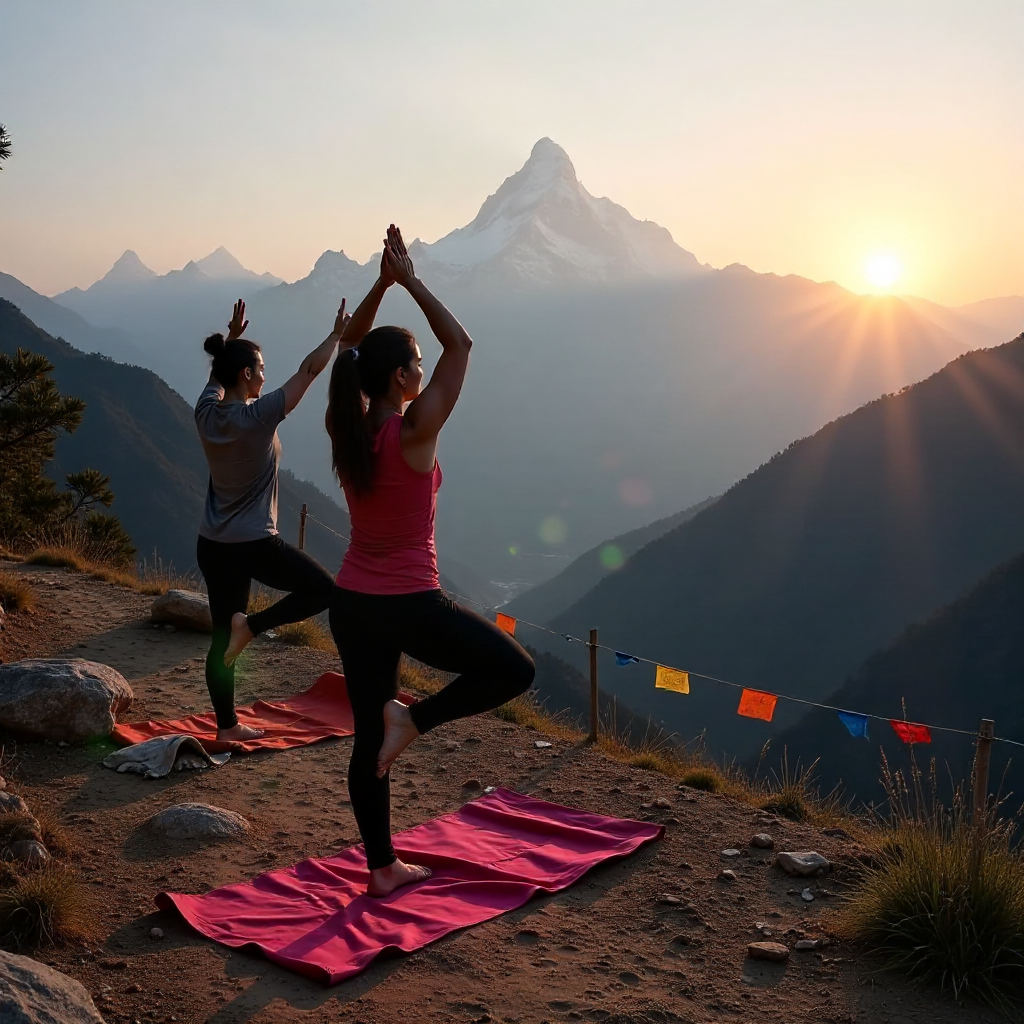
6. Chiva-Som — Hua Hin, Thailand
Focus: Comprehensive spa and therapeutic wellness. Chiva-Som has been a benchmark in destination wellness since 1995. Their menu of over 200 therapies — including hydrotherapy, physiotherapy, and Thai massage — makes it genuinely difficult to leave without feeling fundamentally different. Best for: first-time retreat guests who want maximum variety and expert guidance.
7. Vipassana Meditation Centers — Global (India, Myanmar, USA, and others)
Focus: Silent meditation retreat. Vipassana centers operate on a donation basis, making serious meditation practice accessible regardless of budget. The 10-day silent courses are intense — no speaking, no devices, no reading — but the impact on mental clarity is reported as transformative by many participants. Best for: those ready to commit to a genuine meditation retreat without the luxury price tag.
8. Lefay Resort & SPA — Lake Garda, Italy
Focus: Thermal baths and Chinese medicine. Lefay combines the thermal bath traditions of Northern Italy with Traditional Chinese Medicine in a setting that overlooks one of Europe's most beautiful lakes. Their wellness programs run from three to fourteen days. Best for: couples or solo travelers who want European elegance with substantive wellness programming.
9. Blue Spirit — Nosara, Costa Rica
Focus: Yoga retreat and surf culture. Nosara is one of the world's recognized "Blue Zones" — regions where people live measurably longer, healthier lives. Blue Spirit sits at the center of this community, offering yoga teacher trainings, silent retreats, and surf-and-yoga combinations. Best for: active travelers and yoga practitioners looking to deepen their practice in a community setting.
10. Gwinganna Lifestyle Retreat — Gold Coast Hinterland, Australia
Focus: Lifestyle reset and sleep restoration. Gwinganna sits on 200 hectares of organic farmland an hour from Brisbane, with a specific focus on adrenal health and sleep. Their programs address the kind of systemic fatigue that a weekend away won't touch. Best for: Australians or visitors to Oceania who want a science-informed approach to recovery without flying internationally.
Types of Wellness Retreats Explained
Wellness retreats fall into several distinct categories, and matching your goal to the right type saves both money and disappointment.
- Yoga retreats center daily life around asana practice, pranayama, and often philosophy. Skill levels vary — many welcome complete beginners.
- Meditation retreats range from gentle mindfulness weekends to demanding silent Vipassana courses. The depth of commitment required varies significantly.
- Spa resorts prioritize physical treatments — massage, hydrotherapy, thermal baths — with varying degrees of structured programming.
- Digital detox retreats remove devices entirely and replace screen time with nature immersion, creative activities, and group connection.
- Ayurvedic retreats follow India's traditional system of medicine, combining dietary protocols, herbal treatments, and personalized lifestyle guidance.
- Nature-based retreats use the environment itself as the primary therapeutic tool — forest bathing, wilderness programs, ocean therapy.
Some retreats blend multiple approaches. The key is knowing which element you're most deficient in before you book. If sleep is the problem, a rigorous yoga retreat with 6am starts may not be the answer.
How to Choose the Right Wellness Retreat for You
The right retreat depends on four factors: your primary health goal, your available time, your budget, and your tolerance for discomfort.
Goal clarity comes first. Are you recovering from burnout, seeking spiritual depth, managing physical pain, or simply trying to unplug? Each goal points toward a different retreat type. Confusing "I need rest" with "I need transformation" leads to booking a 10-day silent meditation course when what you actually needed was three days of thermal baths and good sleep.
Duration matters more than most people expect. A weekend retreat can interrupt a stress cycle and provide tools to take home. But meaningful shifts in habit or perspective typically require at least seven days of immersive programming. If your schedule only allows three days, choose a retreat that's honest about what's achievable in that window.
Budget considerations are real but not always linear. Vipassana courses are free. Some of the most transformative yoga retreats in Bali or Costa Rica cost under $150 per day including accommodation and meals. Luxury isn't correlated with depth of experience — it's correlated with comfort and privacy.
Solo versus group travel is worth thinking through honestly. Solo travelers often find retreats to be the ideal context for meeting like-minded people — the shared experience creates connection quickly. Couples sometimes find that individual retreat schedules create unexpected friction if one partner is more committed to the programming than the other.
Tips for Getting the Most Out of Your Wellness Retreat
Preparation and mindset determine whether a wellness retreat produces lasting change or just a pleasant memory that fades within two weeks of returning home.
Before you leave, reduce your digital load gradually — don't go from constant connectivity to a screen-free environment in one step if you can avoid it. Start cutting evening screen time a week before arrival. Your nervous system will adapt faster, and you won't spend the first two days of your retreat in withdrawal from notifications.
Pack minimally and practically. Most retreats provide yoga mats, robes, and wellness amenities. What you actually need: comfortable layers, a physical journal, and any personal supplements or medications. Leave the laptop at home even if the retreat allows devices — you paid for an experience, not a change of scenery for the same habits.
On-site, resist the urge to optimize every hour. The unscheduled time between sessions is often where the most useful reflection happens. Don't fill it with planning your next retreat or reviewing photos. Sit with it.
Post-retreat, the most common mistake is returning to full intensity within 48 hours. Build in at least one transition day before re-entering a demanding work schedule. Identify two or three specific practices from the retreat — a breathing technique, a morning routine, a dietary change — and commit to them for 30 days. That's where the investment compounds.
Final Thoughts — Why a Wellness Retreat Could Be Your Best Travel Decision
Healthy travel isn't just about avoiding illness on the road. At its best, it's about returning home more functional, more present, and more connected to what actually matters — which is a harder thing to achieve than it sounds in a world optimized for distraction.
A well-chosen wellness retreat does something that ordinary vacations rarely accomplish: it interrupts the patterns that are making you tired. Whether that's through silent meditation in India, thermal hydrotherapy in Italy, or nature immersion in New Zealand, the mechanism is the same — deliberate removal from the conditions that exhaust you, combined with intentional practices that restore what's been depleted.
The retreats on this list represent a genuine range of approaches, price points, and geographies. There's an entry point here for most travelers, not just those with unlimited budgets. The question worth sitting with isn't "can I afford a wellness retreat?" It's "what is chronic stress, poor sleep, and disconnection actually costing me?" Framed that way, the math often looks different.
Frequently Asked Questions
How much does a wellness retreat typically cost?
Costs range widely — from free (donation-based Vipassana programs) to $1,500+ per night at luxury destinations like SHA or Chiva-Som. Mid-range retreats in Southeast Asia or Central America typically run $100–$250 per day, all-inclusive. Budget isn't a reliable indicator of experience quality.
Are wellness retreats suitable for solo travelers?
Yes, and many solo travelers find retreats to be one of the best travel formats for meeting people. Shared programming creates natural connection. Most retreats actively accommodate solo guests, and some — particularly yoga and meditation retreats — have a majority solo attendee base.
How long should a wellness retreat be to feel the benefits?
Even a 3-day retreat can provide measurable stress relief and reset a sleep cycle. For deeper behavioral or lifestyle shifts, seven to fourteen days is the more effective range. The longer the retreat, the more time your nervous system has to genuinely downregulate.
Do I need prior experience with yoga or meditation to attend a retreat?
No prior experience is required for most yoga or meditation retreats. Many programs are explicitly designed for beginners. Check the retreat's stated skill level before booking — most list this clearly. Vipassana courses, for example, welcome complete beginners to meditation.
What should I pack for a wellness retreat?
Pack light. Essentials include comfortable, breathable clothing for movement, a physical journal, personal medications or supplements, and a reusable water bottle. Most retreats provide mats, robes, and toiletries. Leave work devices at home if at all possible — the boundary is part of the practice.